Movement Coordination in Large Facilities: Optimizing Flow While Maintaining Security
Learn how modern movement coordination systems balance security with operational efficiency in large corporate campuses using real-time location tracking and predictive analytics.
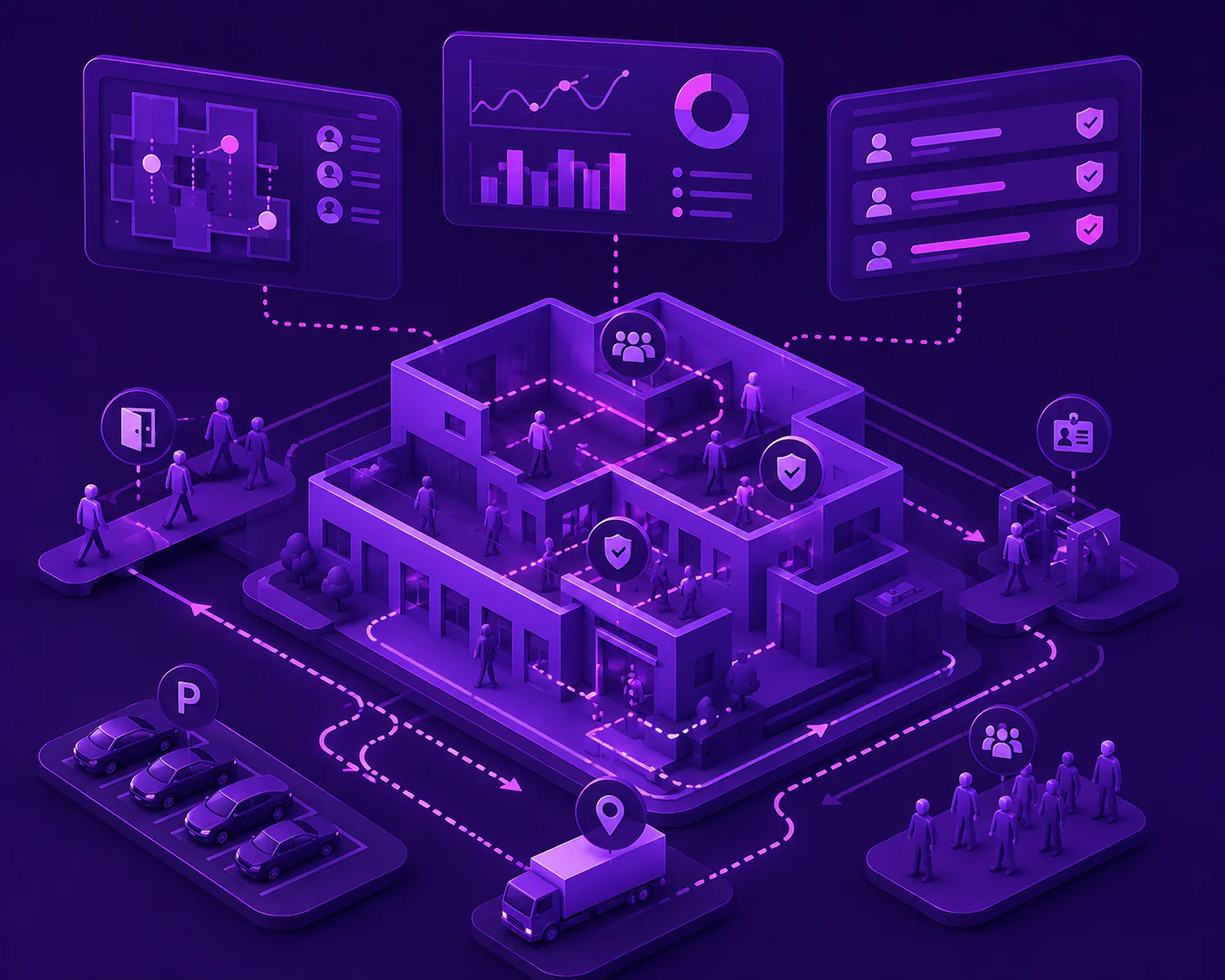
Large corporate campuses present a unique challenge: how do you maintain security while enabling the fluid movement of thousands of employees, contractors, and visitors? The answer lies in sophisticated movement coordination systems that balance security with operational efficiency. Traditional approaches—static security checkpoints and rigid access controls—create bottlenecks that reduce productivity and frustrate personnel. Modern movement coordination systems use real-time location tracking, predictive analytics, and intelligent routing to optimize facility flow. These systems can identify congestion points before they develop, suggest alternative routes, and dynamically adjust access protocols based on real-time conditions. The most advanced systems integrate with building management systems to coordinate elevator access, parking, and facility resources based on personnel movement patterns. This creates a seamless experience for legitimate users while maintaining comprehensive security oversight. Movement coordination also enables rapid response to security incidents. If a threat is detected, the system can immediately restrict movement in affected areas, guide personnel to safety, and provide real-time situational awareness to security teams. Organizations that master movement coordination gain a significant competitive advantage: they can operate at higher efficiency while maintaining superior security posture.
About Fortifye Security Team
Fortifye Security Team specializes in corporate campus security and movement coordination.