Protecting the Individual, and Letting Them Share, Trust, and Take Part in Their Own Safety
Security works best when the person arriving is a participant, not a suspect
Security works best when the person arriving is a participant, not a suspect
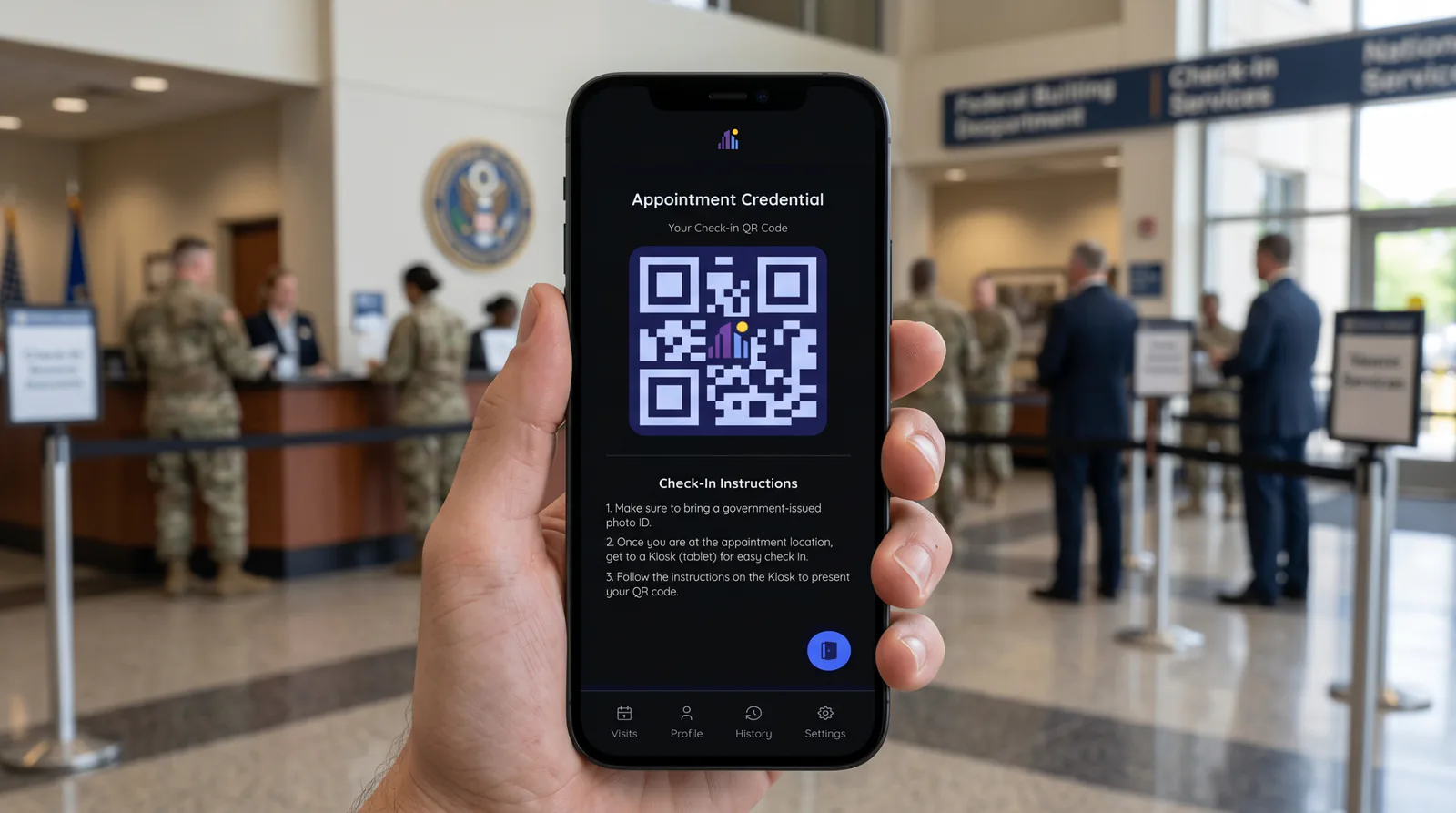
For a long time, security treated the individual as a problem to be processed. You showed up, you were an unknown, and the system existed to screen you, sort you, and either let you in or keep you out. The person was the object of the security, never a part of it. I understand why it grew up that way, but I came to believe it was backwards. The individual is not the threat to be managed. The individual is the most underused ally a security program has. When you protect the person and you invite them into the process, something shifts. They stop being a thing the system acts on and they start being someone the system works with.
Protecting the individual starts with respecting them. That means not building a giant standing database of people's faces and movements just because you can. It means verifying someone at the moment they arrive and then letting that moment close. It means the person knows what is being asked of them and why, and they are not made to feel like a suspect for the crime of walking into a building. When you treat the arriving person with that kind of care, you earn something you cannot demand, which is their trust. And a person who trusts the process will share with it. They will tell you who they are, who they are meeting, when they are coming, what they are bringing. That information is gold for safety, and it only flows when people feel safe giving it.
That sharing is what turns a passive arrival into a participating one. When someone announces their arrival in advance, when a driver tells the dock what is on the truck and when it will land, when a host vouches for the guest they invited, every one of those people is now taking part in the safety of the place. They are not bystanders being scanned. They are contributors. The host who sponsors a visitor is accountable for that visitor. The driver who registers a delivery is part of the chain of trust for that dock. Safety stops being something a guard does to a crowd and becomes something a whole community does together, each person carrying a small, clear piece of it.
This matters because the alternative does not scale and it does not feel human. You cannot put enough guards on enough doors to watch everyone, and even if you could, nobody wants to live or work inside a building that treats them like a threat. But if you protect the individual, earn their trust, and give them a simple way to share and participate, you get a place that is both safer and warmer. People who feel respected cooperate. People who feel watched resent. We chose to design for cooperation. Every arrival is a person, every person makes a first impression, and every one of them, treated right, becomes part of how the place keeps itself safe. That is not soft. That is the most durable security there is.
About Jeffrey C. Friedman
Jeffrey C. Friedman is a contributor to the Fortifye Trusted Arrival Platform insights blog.
Related Articles

Trusted Arrival vs. Visitor Management Systems: Why the Difference Matters
Discover why Trusted Arrival is the comprehensive operational coordination solution that goes beyond traditional visitor management systems.
Why GPS for First Responders Is Critical, and Why Life Safety Is a Shared Responsibility
Situational awareness is not a luxury when seconds decide outcomes

What Changes When You Build It AI Native and Mobile First
Why the device in your hand and the intelligence behind the scenes change everything