What Changes When You Build It AI Native and Mobile First
Why the device in your hand and the intelligence behind the scenes change everything

Why the device in your hand and the intelligence behind the scenes change everything
When we first built this concept, the phone in your pocket was not the center of anything. You walked up to a desk, you signed a book or tapped a kiosk, somebody printed a sticker, and you waited. The intelligence in the building, if you want to call it that, lived in the eyes of whoever happened to be watching the monitors. That was the state of the art, and we worked within it. But the world moved, and so did we. The single biggest difference between what we built then and what we build now is that the experience is mobile first and the platform is AI native. Those are not buzzwords to me. They are the two things that actually change how it feels to arrive somewhere and how it feels to protect a place.
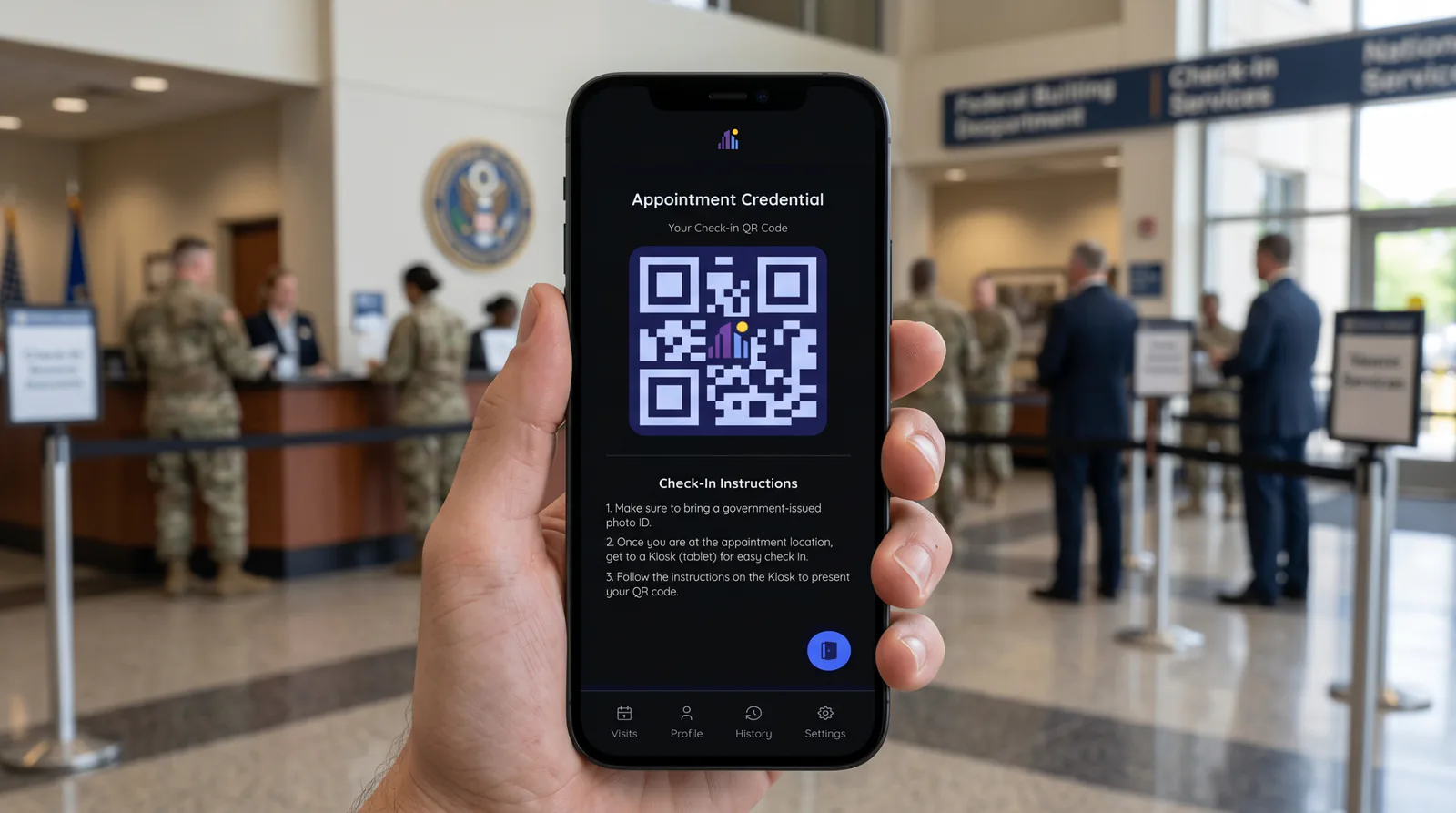
Mobile first means the experience starts before anyone gets near the building. Your credential is on your phone. The pre arrival instructions are on your phone. The directions to the right entrance, the right floor, the right dock are on your phone. By the time you walk up, you already know who you are meeting and what is expected of you, and that quiet certainty is the whole point. Remember, the fear was never about the turnstile. It was about not knowing. A phone in the hand, used right, removes the not knowing. It turns a stressful unknown into something that feels handled before you even arrive.
AI native is the other half, and it works on the side most people never see. In the security operations center, the platform reads every single event coming in. It is not a chatbot you have to go ask a question. It looks at the whole picture, tells the operator what the site looks like right now, and pushes the things that actually matter to the top while the routine stuff just clears on its own. A guard cannot watch a hundred arrivals at once. No human can. So most of them get watched by nobody, which is exactly the gap a bad actor counts on. When the intelligence absorbs the routine and surfaces only the exception, you get the opposite. Now the human attention lands where it should, on the thing that is actually off.
Put the two together and the difference is night and day. The person arriving gets a calm, guided, almost hospitable experience that they can do entirely from their phone. The team protecting the facility gets fewer meaningless alerts and a clearer read on what is really happening. And the facility itself often spends less doing it, because one platform is now doing what five disconnected tools used to do badly. None of this was possible when we first had the idea. The mobile credential, the GPS, the AI, none of it was mature enough. The goal was never just to make a place safer. It was to make the entire experience better, using technology that finally exists. That is what mobile first and AI native actually deliver. Not features. A different feeling at the door.
About Jeffrey C. Friedman
Jeffrey C. Friedman is a contributor to the Fortifye Trusted Arrival Platform insights blog.
Related Articles
Trusted Arrival vs. Visitor Management Systems: Why the Difference Matters
Discover why Trusted Arrival is the comprehensive operational coordination solution that goes beyond traditional visitor management systems.
Why GPS for First Responders Is Critical, and Why Life Safety Is a Shared Responsibility
Situational awareness is not a luxury when seconds decide outcomes
Protecting the Individual, and Letting Them Share, Trust, and Take Part in Their Own Safety
Security works best when the person arriving is a participant, not a suspect